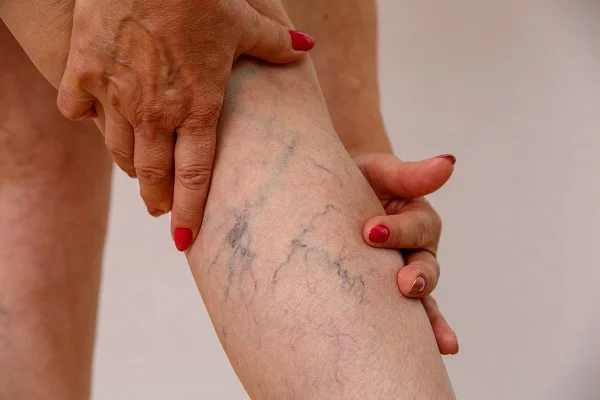
Varicose veins are enlarged, twisted veins that commonly develop in the legs when blood does not flow efficiently back toward the heart. They may appear as blue or purple veins beneath the skin and can be associated with heaviness, aching, swelling or discomfort.
While mild varicose veins may initially cause mainly cosmetic concerns, some people develop progressive symptoms or complications that require medical evaluation. Dr. Piyush Pippal provides evaluation and treatment planning for patients seeking varicose veins treatment in Paschim Vihar, based on the severity of symptoms and the condition of the affected veins.
Healthy leg veins contain valves that help blood move upward toward the heart. When these valves become weak or do not function properly, blood can collect in the veins. Increased pressure can cause the veins to enlarge and become twisted or prominent.
Varicose veins most commonly affect the legs because standing and walking place considerable pressure on the veins of the lower limbs.
They can range from small visible veins to larger, raised veins that cause significant discomfort.
Some people with varicose veins have no symptoms. Others may experience:
Symptoms may become more noticeable after standing for long periods and may improve when the legs are elevated.
Treatment depends on the severity of the condition, symptoms and findings on examination and vascular investigations. Dr. Piyush Pippal evaluates the affected veins and determines whether conservative management, a minimally invasive procedure or another treatment approach is appropriate.
For mild cases, lifestyle measures and compression therapy may be recommended. Patients with persistent symptoms or significant venous reflux may require an interventional procedure.
The goal of varicose veins treatment in Paschim Vihar is to improve venous circulation, reduce symptoms and address problematic veins where treatment is clinically indicated.
Varicose veins usually develop because the valves inside the veins do not work efficiently. This allows blood to flow backward and pool in the lower limbs.
Several factors can increase the likelihood of developing varicose veins, including:
Having a risk factor does not necessarily mean that varicose veins will develop.
Diagnosis generally begins with a physical examination and discussion of symptoms. The doctor assesses the appearance of the veins, swelling and any skin changes.
A venous Doppler ultrasound may be recommended to evaluate blood flow and identify abnormal reflux or blockage in the veins.
Doppler findings help determine the severity and location of venous problems and can assist in selecting the appropriate treatment.
Not every patient with varicose veins immediately requires a procedure. Depending on the symptoms and severity, conservative measures may help manage discomfort.
These can include:
These measures may reduce symptoms but do not necessarily eliminate the underlying vein problem.
When varicose veins cause persistent symptoms or significant venous reflux, minimally invasive treatment may be considered.
Depending on the patient's condition, treatment options can include procedures that close or eliminate the problematic vein while allowing blood to continue flowing through healthier veins.
The choice of procedure depends on the size and location of the affected veins, Doppler findings and the patient's overall health.
Medical evaluation is advisable when varicose veins become painful, progressively enlarged or associated with swelling or skin changes.
Treatment may be considered when there is:
A doctor can determine whether symptoms are related to venous disease and whether intervention is appropriate.
Many varicose veins do not cause serious problems, but chronic venous disease can sometimes result in complications.
These may include skin changes, inflammation, bleeding, venous ulcers or blood clots. A sore or wound near the ankle that does not heal should receive medical evaluation.
Sudden leg swelling, significant pain, warmth or redness can have several causes and should be assessed promptly.
Recovery depends on the treatment performed and the severity of the venous condition. Minimally invasive procedures may allow patients to resume normal movement relatively quickly, although individual recovery varies.
Patients are usually advised to follow instructions regarding walking, compression garments, medication and follow-up.
Regular movement may be encouraged after certain procedures, while strenuous activity may need to be limited temporarily.
Varicose veins can range from visible superficial veins to symptoms associated with underlying venous reflux. A proper evaluation helps determine the severity of the condition and whether treatment is necessary.
Dr. Piyush Pippal provides assessment and treatment planning for patients with varicose veins, taking symptoms, examination findings and Doppler results into consideration.
If you are experiencing persistent leg heaviness, swelling, pain or prominent veins, a consultation can help identify the underlying problem and discuss appropriate treatment options.
Varicose veins are enlarged and twisted veins, usually in the legs, that develop when blood pools because the valves inside the veins do not function properly.
Many varicose veins are not dangerous, but some can cause symptoms or complications such as skin changes, ulcers, bleeding or inflammation. Medical evaluation can help determine the severity.
Established varicose veins generally do not disappear on their own. Lifestyle measures and compression can help manage symptoms, while procedures may be considered for selected patients.
A venous Doppler ultrasound may be recommended to assess blood flow and identify venous reflux or obstruction. The need for testing depends on the clinical examination.
Yes. Depending on the severity, treatment may include lifestyle measures and compression therapy. Minimally invasive procedures may be considered when symptoms or venous reflux require intervention.
Consult a doctor if varicose veins cause persistent pain, swelling, skin changes, bleeding or non-healing wounds. Sudden swelling or significant leg pain should be evaluated promptly.


Write a Reply or Comment