
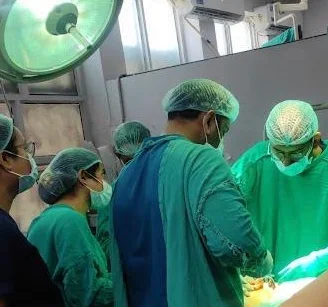
Laparoscopic surgery is a minimally invasive surgical technique that allows doctors to perform certain operations through small incisions instead of a large open incision. A small camera, known as a laparoscope, provides a magnified view of the surgical area, while specialized instruments are used to perform the procedure.
Dr. Piyush Pippal provides surgical evaluation and laparoscopic treatment for selected conditions in patients seeking laparoscopic surgery in Paschim Vihar. The choice of technique depends on the patient's diagnosis, medical history and overall health.
Laparoscopic surgery is commonly referred to as minimally invasive surgery or keyhole surgery. During the procedure, the surgeon makes small incisions in the abdomen and inserts a camera and specialized instruments.
The camera displays the internal structures on a monitor, allowing the surgeon to perform the required operation with precision.
Compared with conventional open surgery, laparoscopic procedures generally involve smaller incisions. However, not every condition or patient is suitable for a laparoscopic approach.
Laparoscopic techniques can be used for several abdominal and gastrointestinal procedures. Depending on the patient's condition, they may include:
The exact surgical approach is decided after clinical assessment.
Patients considering laparoscopic surgery in Paschim Vihar should first undergo a detailed surgical consultation. Dr. Piyush Pippal reviews the patient's symptoms, medical history, examination findings and relevant diagnostic reports.
Based on the diagnosis, the doctor determines whether minimally invasive surgery is appropriate. If surgery is recommended, the procedure, expected recovery and potential risks can be discussed before treatment.
A personalized surgical plan helps ensure that the selected technique is appropriate for the patient's specific condition.
Laparoscopic surgery is generally performed under anesthesia. Small incisions are made to allow the camera and surgical instruments to enter the abdomen.
The abdomen may be gently inflated with carbon dioxide gas to create sufficient working space. The laparoscope provides a clear view of the surgical area on a monitor.
The surgeon then performs the required procedure using specialized instruments. Once the operation is completed, the instruments are removed and the small incisions are closed.
The specific steps vary depending on the type of surgery being performed.
Laparoscopic surgery may offer several potential advantages compared with open surgery in appropriately selected patients.
These can include:
These benefits vary depending on the procedure, the patient's health and whether complications are present.
Gallstones that cause repeated symptoms or complications may require removal of the gallbladder. Laparoscopic cholecystectomy is commonly used for this purpose.
The surgeon makes small abdominal incisions and uses a camera and specialized instruments to remove the gallbladder.
The suitability of laparoscopic surgery depends on factors such as the severity of inflammation, previous abdominal operations and the patient's overall condition.
Appendicitis may require removal of the inflamed appendix. In suitable cases, a laparoscopic appendectomy can be performed through small abdominal incisions.
Early treatment can help reduce the risk of complications associated with untreated appendicitis, including perforation and abdominal infection.
The surgical approach may need to be modified depending on the severity of appendicitis and findings during surgery.
Some abdominal and groin hernias can be repaired using laparoscopic techniques. The surgeon places specialized instruments through small incisions and reinforces the weakened abdominal wall, often using surgical mesh when appropriate.
The choice between laparoscopic and open hernia repair depends on factors such as the type and size of the hernia, previous surgery and the patient's individual circumstances.
Laparoscopic surgery is not appropriate for every patient. The decision depends on:
A surgeon evaluates these factors before recommending minimally invasive surgery.
Before a laparoscopic procedure, patients may undergo a preoperative evaluation. This can include a medical history, physical examination, blood tests, imaging and anesthesia assessment when required.
Patients are generally provided instructions regarding fasting, medications and other preparation before surgery.
It is important to inform the surgical team about existing medical conditions, medications and previous operations.
Recovery depends on the type of procedure and the patient's overall health. Because laparoscopic surgery uses smaller incisions, some patients may experience a relatively quicker recovery compared with open surgery.
Mild abdominal discomfort, tiredness or temporary bloating can occur after surgery. Following the surgeon's instructions regarding diet, wound care, medication and physical activity is important.
The timeline for returning to work, exercise and heavy lifting varies according to the procedure and individual recovery.
Although laparoscopic surgery is widely used, it is still a surgical procedure and carries potential risks. These may include bleeding, infection, injury to surrounding structures, anesthesia-related complications or the need to convert to open surgery in selected situations.
Your surgeon can explain the potential benefits and risks associated with the specific procedure before treatment.
Choosing the appropriate surgical technique requires an understanding of the underlying condition as well as the patient's individual medical needs.
Dr. Piyush Pippal provides surgical consultation and treatment planning for selected abdominal and gastrointestinal conditions where laparoscopic surgery may be appropriate.
Patients can discuss their diagnosis, available surgical options, expected recovery and postoperative care during consultation. The final approach is selected according to the patient's clinical condition.
Laparoscopic surgery is a minimally invasive technique in which surgical procedures are performed through small incisions using a camera and specialized instruments.
Laparoscopic and open surgery have different applications. Laparoscopic surgery can offer smaller incisions and potentially quicker recovery for suitable patients, but the appropriate approach depends on the condition.
Laparoscopic techniques may be used for procedures such as gallbladder removal, appendectomy and selected hernia repairs, as well as other abdominal operations.
Laparoscopic surgery is a commonly performed surgical technique, but it carries potential risks like any operation. Suitability and safety depend on the patient's health and specific condition.
Recovery varies depending on the procedure, severity of disease and individual health. Your surgeon will provide specific guidance about returning to normal activities.
Laparoscopic surgery uses small incisions, so the resulting scars are generally smaller than those associated with traditional open surgery. The number and location of incisions depend on the procedure.



Write a Reply or Comment